One lake, four very different shores
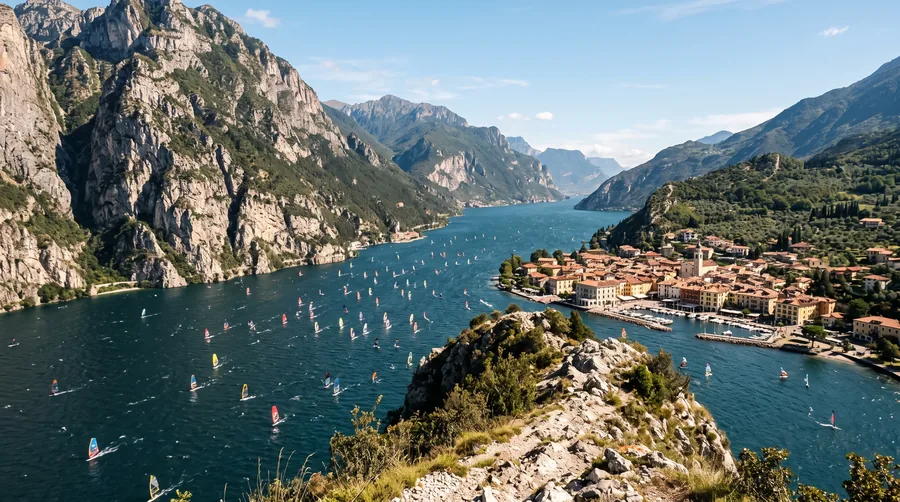
Lake Garda is Italy's largest lake and spans three regions: the north around Riva del Garda and Torbole belongs to Trentino, the west shore with the province of Brescia to Lombardy, and the east shore with the province of Verona to Veneto. In the north the lake lies narrow between steep mountains; to the south it opens into a wide basin between gentle moraine hills piled up by glaciers. This shape determines almost everything that makes up a holiday: how strongly the wind blows, how you travel there, whether you would rather hike, sail or taste wine, and where the sun stands in the evening.
| Shore | Landscape | Typical places | Best for |
|---|---|---|---|
| North (Trentino) | rock walls, narrow lake, reliable wind | Riva del Garda, Torbole, Arco in the hinterland | surfing, sailing, climbing, cycling |
| South | wide basin, moraine hills, vineyards | Sirmione, Desenzano, Peschiera | families, rail travellers, short breaks, Lugana |
| West (Lombardy) | steep shores, lemon gardens, plateaus | Salò, Gardone Riviera, Gargnano, Limone | peace and quiet, culture, small towns |
| East (Veneto) | Monte Baldo, olive groves, long shoreline | Malcesine, Torri del Benaco, Garda, Bardolino, Lazise | hiking, evening sun, Bardolino and Chiaretto |
The north shore: mountains, wind and sport
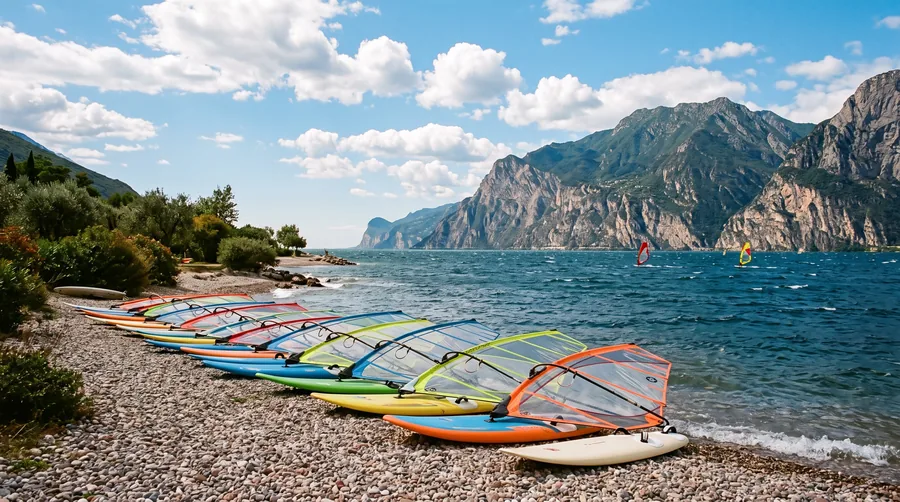
Between Riva del Garda and Torbole the mountains rise straight out of the water, and two winds shape the day here. According to the Garda Trentino tourist board, the Pelèr blows from north to south from about 22:00 until 10:30 or 11:00, all year round and at 5 to 10 metres per second. The Ora sets in around 11:00, comes from the south and lasts until sunset, typically from March to October. The supply of surf, kite and sailing schools in Torbole and Riva is correspondingly dense; the editorial team presents one example with Surf Segnana in Torbole.
The north is sporty on land too: via ferrata routes begin around Arco and Riva, the old Ponale road leads walkers and cyclists up from Riva towards the Ledro Valley, and on the east shore the Malcesine cable car takes you up Monte Baldo. For the northern lake, Garda Trentino gives water temperatures of about 18.5 degrees Celsius in June and around 23 degrees in July and August. Important for swimmers: swimming and windsurfing are not allowed in front of the centre of Riva, because the scheduled boats run there. Best for: active travellers who plan their day around the wind, and anyone arriving by train over the Brenner Pass, since buses run from Rovereto station to Torbole and Riva.
The south shore: wide, open and easy to reach
In the south the lake grows wide, and behind the towns the hills of the great moraine amphitheatre begin. Sirmione lies on a narrow peninsula, and Desenzano and Peschiera have railway stations on the line between Milan and Verona. According to Arriva, in summer the buses from Desenzano station are timed to the arrivals of the trains from Milan and Verona, and for the old town of Sirmione the operator runs its own shuttle bus from Colombare. In season, the scheduled Navigazione Laghi boats also run from Desenzano and Peschiera all the way up to Riva.
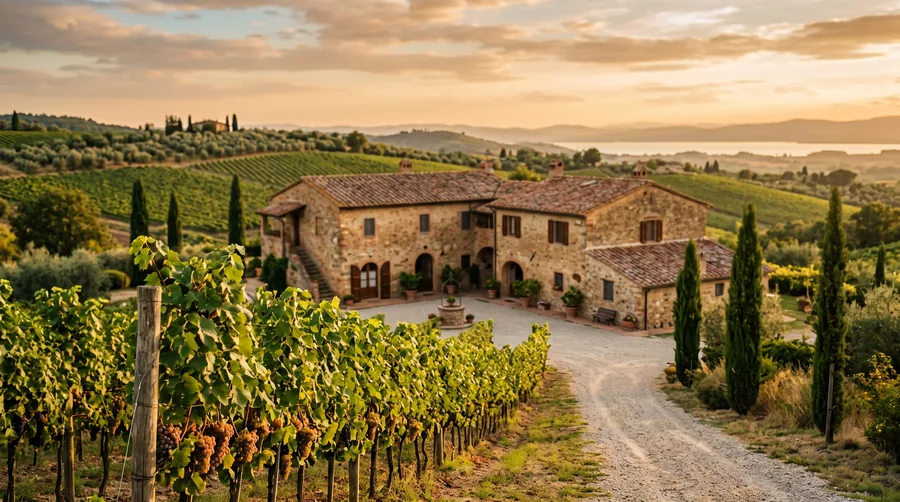
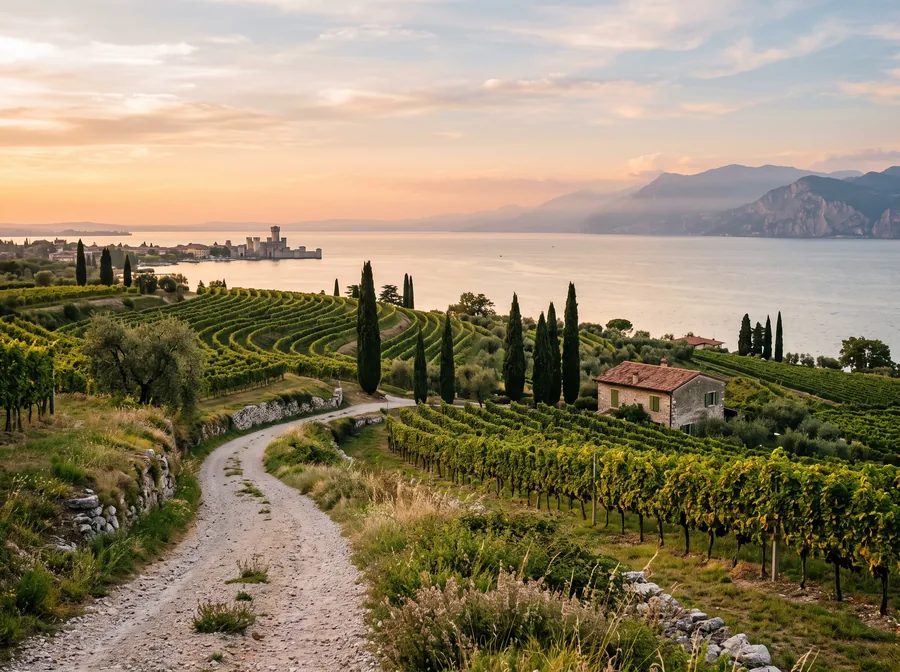
Between Desenzano, Sirmione, Lonato, Pozzolengo and Peschiera, the grapes for Lugana, a white wine from the Turbiana variety, grow on clay soils; the Bardolino area begins on the south-eastern shore. Short distances, gentle hills instead of a steep coast and good connections make the south comfortable for families and short-break visitors. The downside: July, August and weekends are when it is busiest here. Best for: families, rail travellers and anyone who wants to combine wine, swimming and excursions without mountain roads. The editorial team presents an accommodation among vineyards with Selva Capuzza.
The west shore: lemon gardens, villas and quiet plateaus
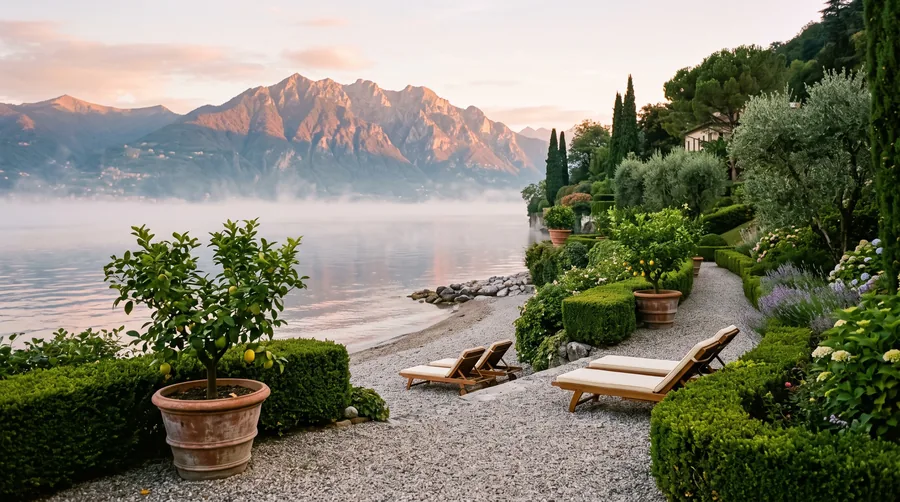
The Lombard west shore between Salò and Limone is also known as the Riviera dei Limoni. The mountains fall steeply to the lake, and in places the lakeside road runs directly above the water. Salò is the bus hub towards Brescia; in Gardone Riviera lies the Vittoriale degli Italiani, the estate that the poet Gabriele D'Annunzio created for himself between 1921 and 1938. With their limonaie, the lemon gardens with tall stone pillars, Gargnano and Limone tell of the citrus culture on the lake. Above them lie the plateaus of Tignale and Tremosine with hamlets, meadows and viewpoints.
In the far south of the west shore, between Salò and Desenzano, the landscape becomes softer: the Valtènesi is hill country with vineyards, olive groves and a rosé of its own. Because the west shore faces east, the sun disappears behind the mountains earlier in the evening; in return, the day begins with light over the water. Best for: those seeking peace and quiet, couples, culture lovers and anyone who prefers to stay in small towns rather than large resorts. One example is Villa Giulia in Gargnano.
The east shore: Monte Baldo, olive groves and evening sun
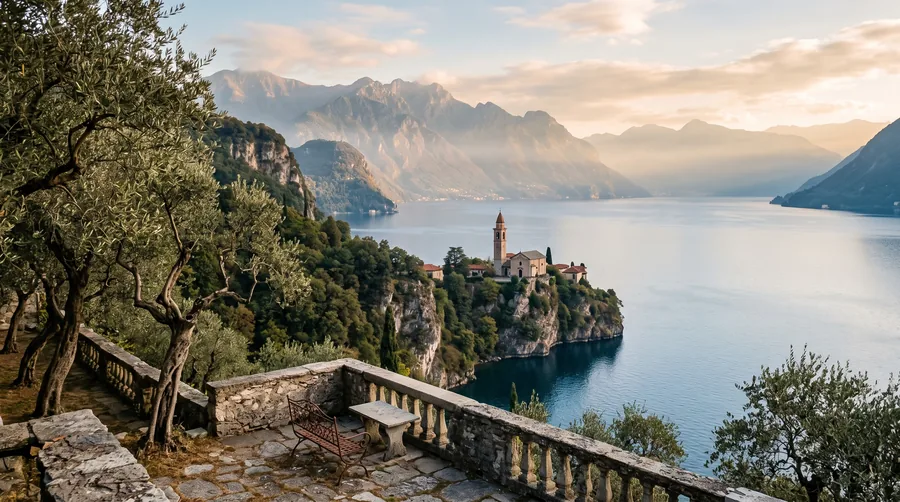
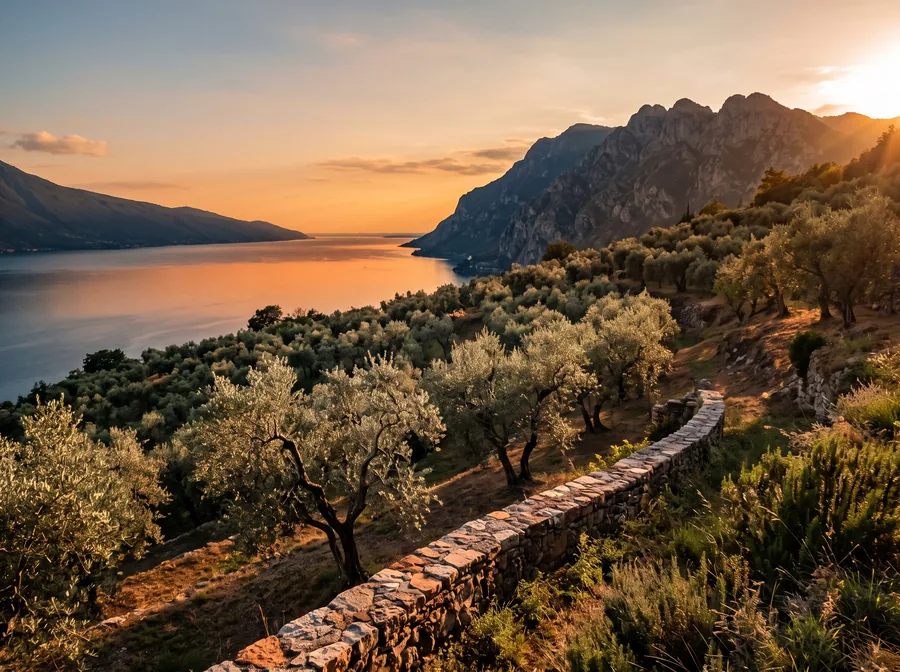
On the Veneto east shore, the long ridge of Monte Baldo accompanies the lake as far as the headland of Punta San Vigilio near Garda. Malcesine with the valley station of the cable car, the districts of Brenzone, Torri del Benaco, Garda, Bardolino and Lazise line the eastern lakeside road, which according to ATV is served throughout by bus lines 483 and 484. Olive trees grow between the towns, and around Bardolino, Garda and Lazise begins the wine-growing area of Bardolino and of the rosé Chiaretto.
Because the east shore faces west, it lies in the sun in the afternoon and evening. From Torri del Benaco a car ferry crosses to Maderno on the west shore even in winter, so the two sides are easy to combine. Best for: hikers, gourmets, families in the middle and southern part, and anyone who likes to sit by the water in the evening.
Which shore suits which trip?
- Surfing, sailing, climbing: the north, with Torbole or Riva as a base.
- Families with small children: the south or the southern east shore around Lazise, Bardolino and Garda, with boat and bus on the doorstep.
- Arriving by train: the south via Desenzano or Peschiera, the north via Rovereto.
- Hiking: the east shore with Monte Baldo, or the plateaus of Tignale and Tremosine.
- Wine and olive oil: the south with Lugana, the south-east with Bardolino, the south-west with the Valtènesi.
- Peace and quiet: the upper west shore between Gargnano and Limone, outside the main holidays.
If you are still torn between Lake Garda, Tuscany and the Amalfi Coast, the Region Test can help.
Combining two bases
On a week or more it is worth combining two shores, for example four nights in the north for sport and mountains and three nights in the south for wine, Sirmione and the comfortable journey home by train. In season the scheduled boats connect Riva and Desenzano directly, with the fast services quicker, for a supplement. How this works without a car of your own is described in the article Lake Garda without a car. You will find quiet destinations on all shores under Lake Garda off the beaten track, and activities from sailing courses to via ferrata routes under Sailing, hiking, Monte Baldo.